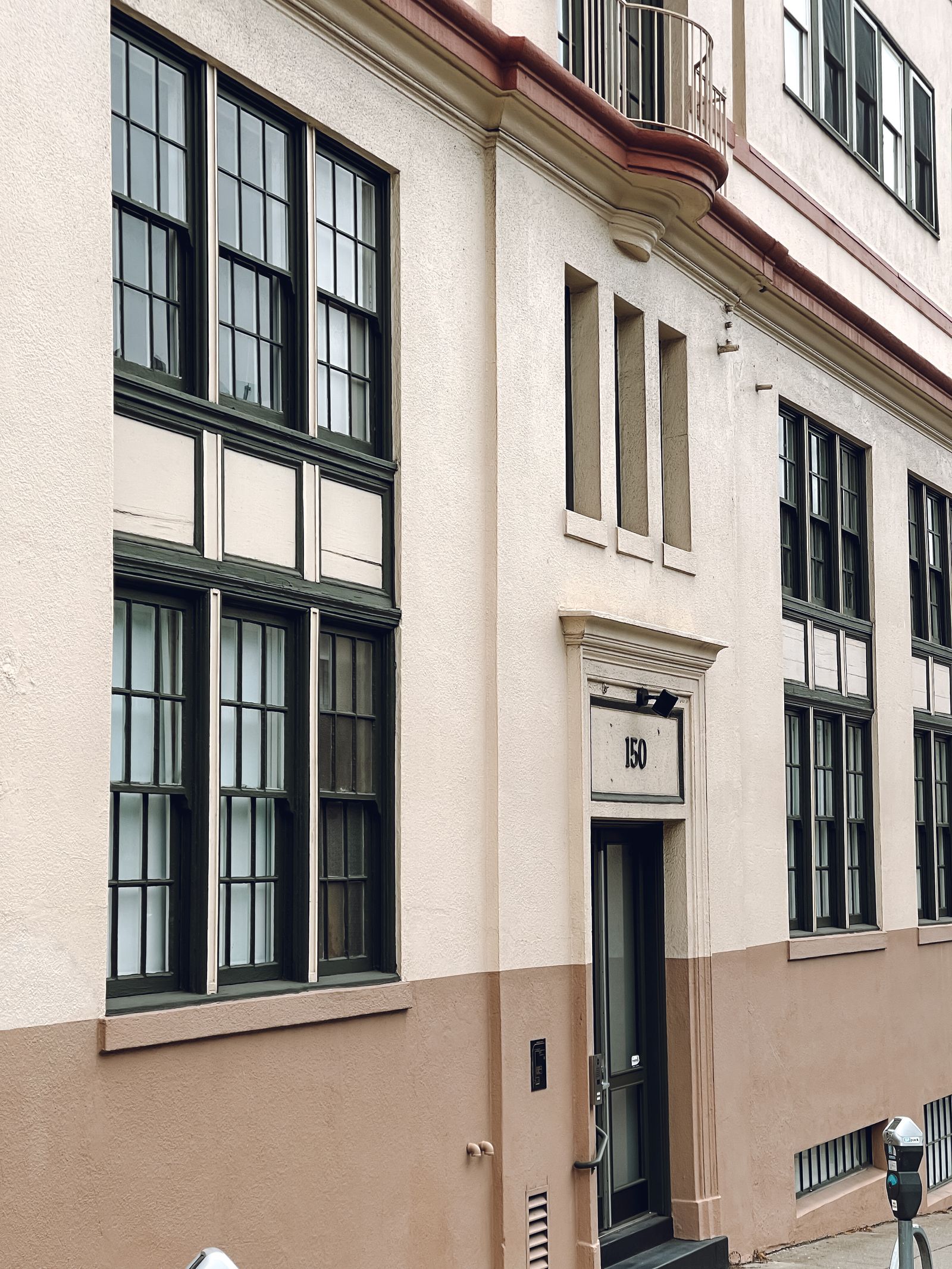
The surface and residue should decide the starting point
Soft washing is often considered for compatible organic growth, mildew, algae, pollen, and atmospheric film on tested facade materials. Pressure washing uses mechanical force and can be appropriate for some durable concrete, selected hardscape, and other surfaces when the substrate and surrounding conditions support it. Neither label automatically makes a building clean or protects it. Charleston properties may contain historic brick, soft mortar, stucco, tabby, EIFS, painted surfaces, glass, metal, tile, wood, and multiple repair materials within one elevation.
A dark wall can reflect biology, soot, salt, minerals, oxidation, coating failure, bird residue, or moisture behavior. A method chosen for the wrong condition may spread residue, etch a surface, drive water into joints, strip coating, or leave a visually uneven result. The first review should identify the material, condition, desired finish, nearby people and property, and whether a test area is needed. If the issue is a leak, failed sealant, damaged mortar, spalling, or coating failure, washing is only one part of the property response.
Why historic and coastal Charleston surfaces need restraint
The peninsula and surrounding communities include old masonry, decorative cornices, narrow storefronts, painted facades, balconies, and details that may not tolerate the same pressure as a modern concrete wall. Historic mortar can be weaker than the brick around it, and repeated aggressive washing can contribute to damage over time. Coastal salt can also sit on metal, glass, ledges, and painted surfaces, where a careless process may move residue into joints or leave new spotting when water dries.
A sensible comparison asks whether the goal is biological growth removal, salt-film maintenance, mineral treatment, stain reduction, or restoration. It asks how the property will be protected from spray, what happens at windows and doors, how water will be managed near low points and drains, and how the final appearance will be checked. A test section with agreed expectations is often more useful than a broad promise based only on square footage or machine pressure.
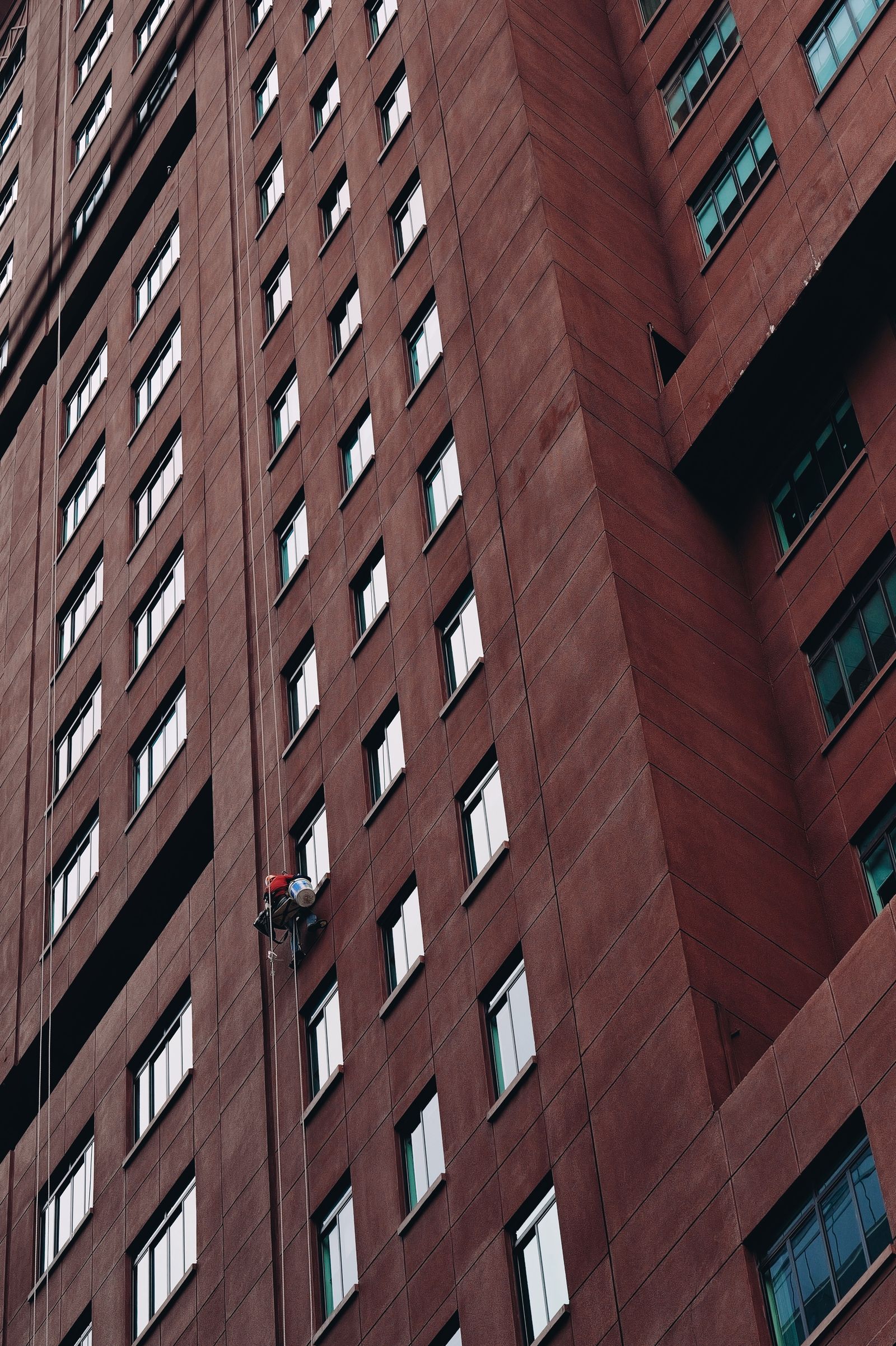
Compare pressure, chemistry, water, and detail work together
Pressure is only one variable. Distance, nozzle selection, flow, temperature, chemistry, dwell time, agitation, rinse volume, operator control, and the condition of the substrate all affect the result. A lower-pressure soft-wash approach may be a better fit for compatible biological soil on a tested facade, while a controlled pressure process may fit a durable loading area or concrete surface. Glass, frames, awnings, ledges, hard-water deposits, oxidation, construction film, and bird residue may require separate contact or specialty work regardless of the main facade method.
Ask the provider to describe the proposed method by elevation and material instead of calling the whole building soft washing or pressure washing. The quote should identify what is included, what is excluded, the expected visual change, water assumptions, weather limits, access equipment, plant and property controls, and how remaining deposits will be handled. This makes two bids comparable and gives the facilities team a useful record for the next maintenance cycle.
Occupied Charleston properties need a sequence, not just a cleaning date
Hotels, clinics, offices, retail corridors, restaurants, and event venues continue operating while exterior work is planned. Guest arrivals, patient routes, accessible paths, outdoor dining, deliveries, valet lanes, fire access, and public sidewalks can be more important than the fastest possible production rate. A pressure process may create more splash or noise in one area; a chemical dwell period may require a different pedestrian control plan in another. Both approaches need barriers, communication, hose management, wet-surface controls, and a person authorized to stop work.
Charleston's narrow streets, dense blocks, bridges, waterfront exposure, and neighborhood activity can limit equipment staging. A phased plan may clean one elevation before opening the route, work during a low-traffic window, or reserve detailed entry work for a separate visit. The right comparison includes how the building will look and function during work, not just the final rinse. Ask how the crew will protect guests, patients, tenants, landscaping, vehicles, neighboring storefronts, and historic details.
Drone assistance changes access options, not the need for judgment
A drone may support broad upper elevations where wind, airspace, line of sight, stand-off distance, launch space, water supply, and public controls are workable. It may reduce some lift staging for a compatible wall field, but it cannot inspect every detail, work safely around every balcony or wire, or guarantee a uniform finish on intricate historic architecture. Cornices, window frames, ledges, canopies, lower entrances, bonded deposits, and fragile trim may need a pole, lift, roof access, or hand work.
Commercial drone operations must follow applicable Federal Aviation Administration rules and any location-specific authorization. Charleston airport activity, heliports, dense public areas, wind off the water, events, and neighboring structures may change feasibility. A credible proposal names the elevations where aerial assistance is expected, the ground controls, weather limits, emergency stop plan, and alternate method. Compare the outcome and operating controls, not whether a provider owns a particular piece of equipment.
Water management can determine whether either method is workable
Soft washing and pressure washing both move water and removed soil. Charleston's narrow sidewalks, low thresholds, planted beds, curb inlets, parking decks, low-lying areas, and nearby waterways make the path of that water important. A visible storm drain is not automatic permission to discharge wash water. Depending on the product, soil, rinse volume, slope, drainage, and property rules, the plan may need diversion, collection, recovery, reduced rinse volume, filtration, plant protection, or coordination with the responsible authority.
Ask for water-management assumptions before approving the job. The plan should identify where water starts, where it could travel, what happens at doors and air intakes, and when work pauses because observed flow differs from the plan. The closeout should document cleaned elevations, remaining residue, deferred repairs, controls used, and weather-related changes. Good records make future scheduling easier and help determine whether the next visit needs the same method or a more specialized one.
Use a Charleston quote to make the decision concrete
For a useful comparison, provide the address, photographs, approximate height, materials, priority elevations, visible residue, desired finish, preferred work windows, guest or patient restrictions, access rules, landscaping, drainage observations, water source, and known repairs. Ask each bidder for method by zone, test-area assumptions, access equipment, weather limits, water controls, exclusions, alternate access, and closeout documentation. A good bid should make clear whether glass, salt, minerals, oxidation, canopies, historic details, and repairs are part of the scope.
Drone Building Cleaners can help evaluate soft washing, pressure washing, contact cleaning, aerial assistance, lift work, or a hybrid sequence for a Charleston property. The right plan is the one that matches the material, condition, operating environment, access, public controls, water path, and expected appearance. Call +1 239-351-2897, email contact@dronebuildingcleaners.com, or request a quote to get in touch.